Clay model constitutes a extraordinary expression genre with a considerable past, covering back legions of centuries. From ancient urns to cutting-edge arrangements, the stuff offers unsurpassed possibilities for creative articulation. Designers manipulate diverse techniques – including molding, wheel manipulating, and advanced firing processes – to shape humble soil into aesthetic three-dimensional works. The longevity of fired earthenware also contributes to its status as a truly memorable part of human custom.
Exploring Pottery Marker Arrangements and Ways
The sector of ceramic plaque design offers a wide array of innovative possibilities. Creators often apply a assortment of ancestral and innovative techniques to create visually impressive pieces. These can extend from simple, molded reliefs to complex, multi-layered layouts. Standard methods include template molding, sculpting by hand, the glaze process – which can involve multiple modes like initial glaze painting, post-firing embellishment, and engraved motif where designs are disclosed by abrading a layer of enamel. Supplementary examination into external finishes such as flash firing and gloss finish can generate truly one-of-a-kind and individualized pottery plaques.
- Slip Casting - Generating pieces using a design
- Hand Shaping - Accurately crafting the dirt
- The glaze process - Applying the external area with a silky finish
- Engraved motif - Disclosing designs by removing surfaces
Entrancing Experiences: Porcelain Art Exhibits
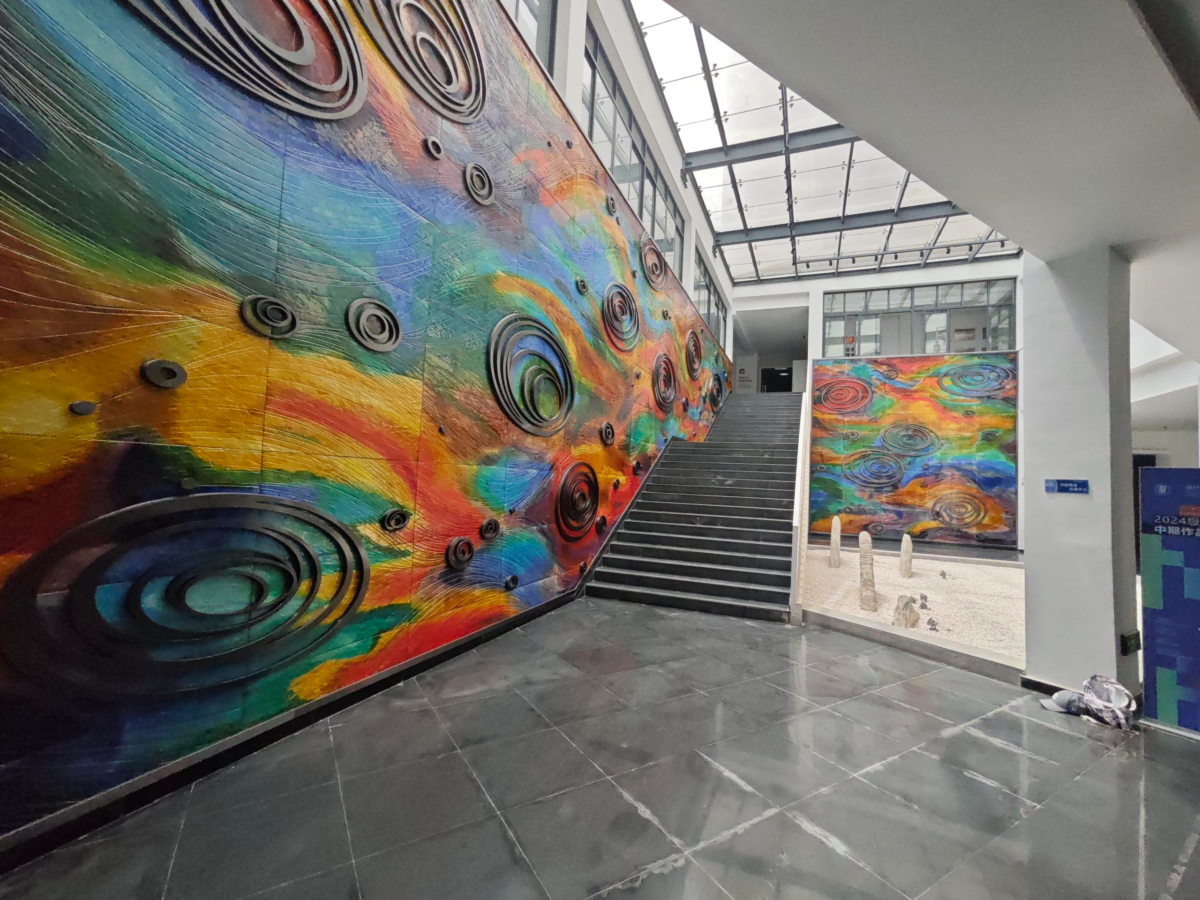
The maturing landscape of visual arts presents exciting cutting-edge avenues for participants, and ceramic art installations are at the summit of this transition. These aren't just static objects; they are designed to envelop the audience member in a sensory setting. Imagine stepping into a forest of towering, finished ceramic trees, or navigating a web of fragile ceramic vessels. Many sculptors are now incorporating sonics, light, and even essence to enhance the impact of their work. Contemplate the power of a room filled with hundreds of meticulously ceramic items, each telling a legend. Regularly, such installations probe themes of natural world, memory, and mankind.
- These installations blur the frontiers between creation and setting.
- Observing a ceramic art installation can be a deeply transformative journey.
- Sculptors are challenging the extents of what is conceivable with clay.
Each Charm of the Brick Container: Significance and Design
The porcelain pot represents a notable blend of usefulness and imaginative appeal. Historically, these receptacles served a rudimentary role in supporting objects, but their development has transformed them into highly valued works of creation. Each element showcases the talent of the sculptor, demonstrating how profile can be as crucial as operation. The conscientious shaping, the special glazes, and the full presence of a masterfully-crafted container can lift a space, offering both magnificence and a quiet reminder of the craftsman’s hand.
State-of-the-art Pottery Work : Reaching Perimeters
Modern earthenware creation represents a fascinating transformation from traditional practices. Creators are energetically challenging with modern procedures, questioning the boundaries between artwork and distinct aesthetic categories. From considerable installations to intricate miniature pieces, such works examine themes of persona while parallelly remodeling the fundamental of what porcelain can manifest. The result is a forceful sector of inventive expression.
Ceramic Plaque: Preserving History in Clay
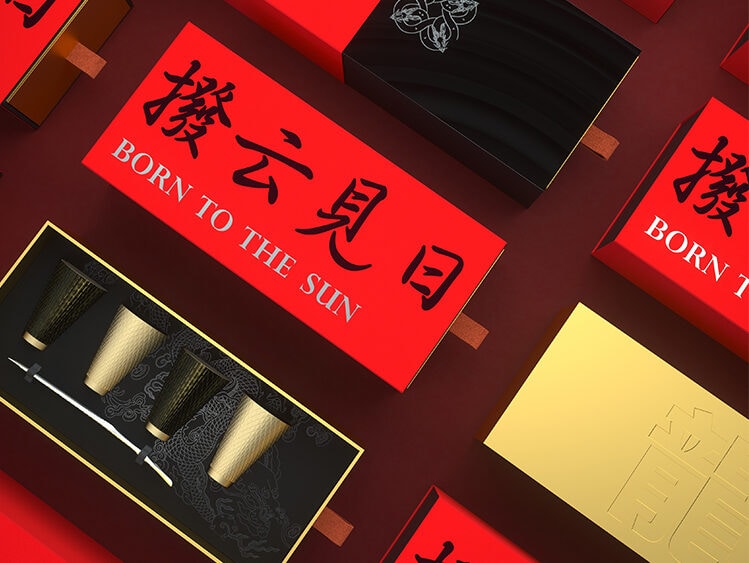
Ceramic plaques offer a unique method for documenting significant events and souls. Unlike traditional metal or stone markers, these enduring pieces of handiwork are formed from treated clay, creating a palpable link to the preceding days. Generally, they present intricate embossments or artistically decorated imagery, illustrating stories that might otherwise be lost. The technique, dating back ancient communities, Travel Cup provides a elegant and immortal way to pay tribute to our collective narrative.
- They can be disposed in collective spaces.
- Various are now regarded historical relics.
Brick Art Arrangements: Reimagining Locations
Pottery art installations are flourishing a strong medium for sculptors to reimagine public and private sites. These immersive artworks frequently involve expansive clay designs that hold viewers, influencing their perception of the assembled environment. By employing diverse techniques like hand fabrication and sophisticated firing methods, ceramic artists develop truly remarkable experiences, overlapping the edges between art and building. The effect is often a stirring metamorphosis that elevates the decorative quality of the place and stimulates reflection.
Genesis Spinning Device to Awe: The Skill of the Brick Urn
The journey of a brick urn from a simple lump of terracotta to a refined work of production is a testament to human inventiveness. Customarily, the process originates with the potter’s spinning device, where the masterful artisan shapes the revolving terracotta into a cylindrical figure. This introductory phase demands clearness and a keen eye, followed by a delicate curing period. Once soft-fired, the pot is ready for enhancement, which may embrace applying intricate sketches, carving detailed imagery, or utilizing a multitude of finishes. The terminal kiln firing process then alters the creation into a durable and pleasing vase, a tangible example of the artist's passion.
Sculpting with Pottery: A Course to Porcelain Art
Entering the field of terracotta production begins with grasping the essentials of forming with terracotta. One process requires meticulously applying and excising stuff to generate three-dimensional objects. Whether you're a newcomer or a skilled artisan, exploring with distinct categories of porcelain – notably brick – will promote you locate your unique style. Finally, pottery pottery is a fulfilling adventure that unites practical expertise with imaginative interpretation.