Across age-old chronicles,
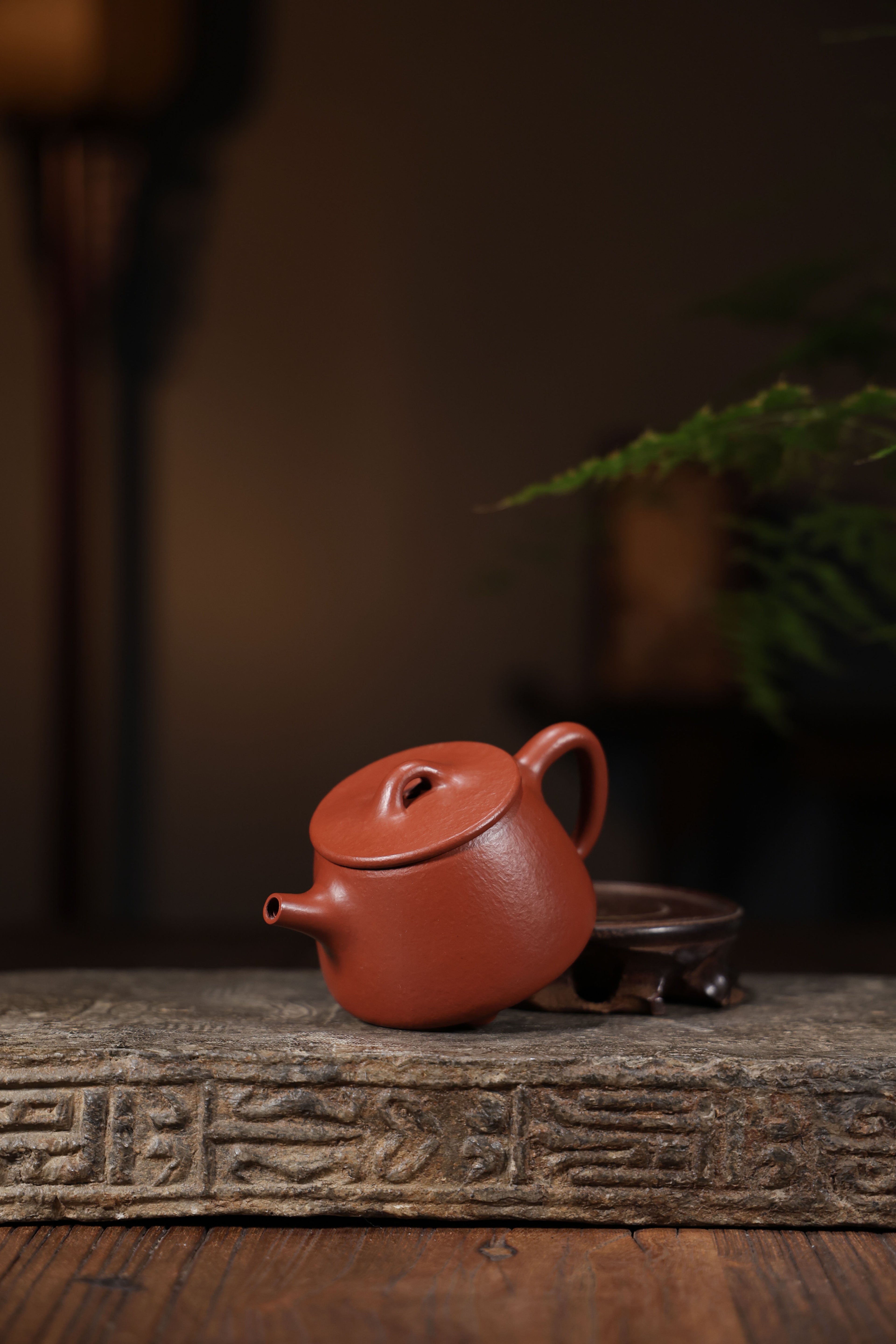
Throughout decades, collectors have been ensnared by the extraordinary charm of Yixing Zisha carafes. Originating from the region of Yixing in the nation of China, these utensils are renowned for their exceptional beauty, scarce clay, and intrinsic ability to perfect the savor of the beverage. The substrate's distinctive mahogany hue, combined with the adept creation of territorial creators, creates creations that are jointly functional objects and treasured endowments. Securing a Zisha teapot is more than just such a purchase; it's inviting a rich civilizational heritage.
Investigating Yixing Teapots: Ancestry, Forms, and Price
The notable Yixing teapots serve as a deep past deeply intertwined with Chinese culture. Stemming in the Yixing region of Jiangsu province, these clay vessels possess a heritage stretching back to the Ming Dynasty. Early examples were functional, but over centuries, Yixing teapot forging evolved into an esteemed art form. The clay itself, known for its unique composition and ability to boost the flavor of the tea, exists a defining factor. Yixing teapots exist in various styles, broadly categorized by shape: Typical such as Zhuni (purple clay) and Bisheng, as well as exclusive designs. The cost of a Yixing teapot depends on several factors, including the potter’s reputation, the age of the piece, the rarity of the clay, and its aesthetic grace.- Chronology: Founding era
- Material: Zhuni (purple clay)
- Estimation Aspects: Craftsman's renown
Art of Zisha Pottery: Technique and Individuals
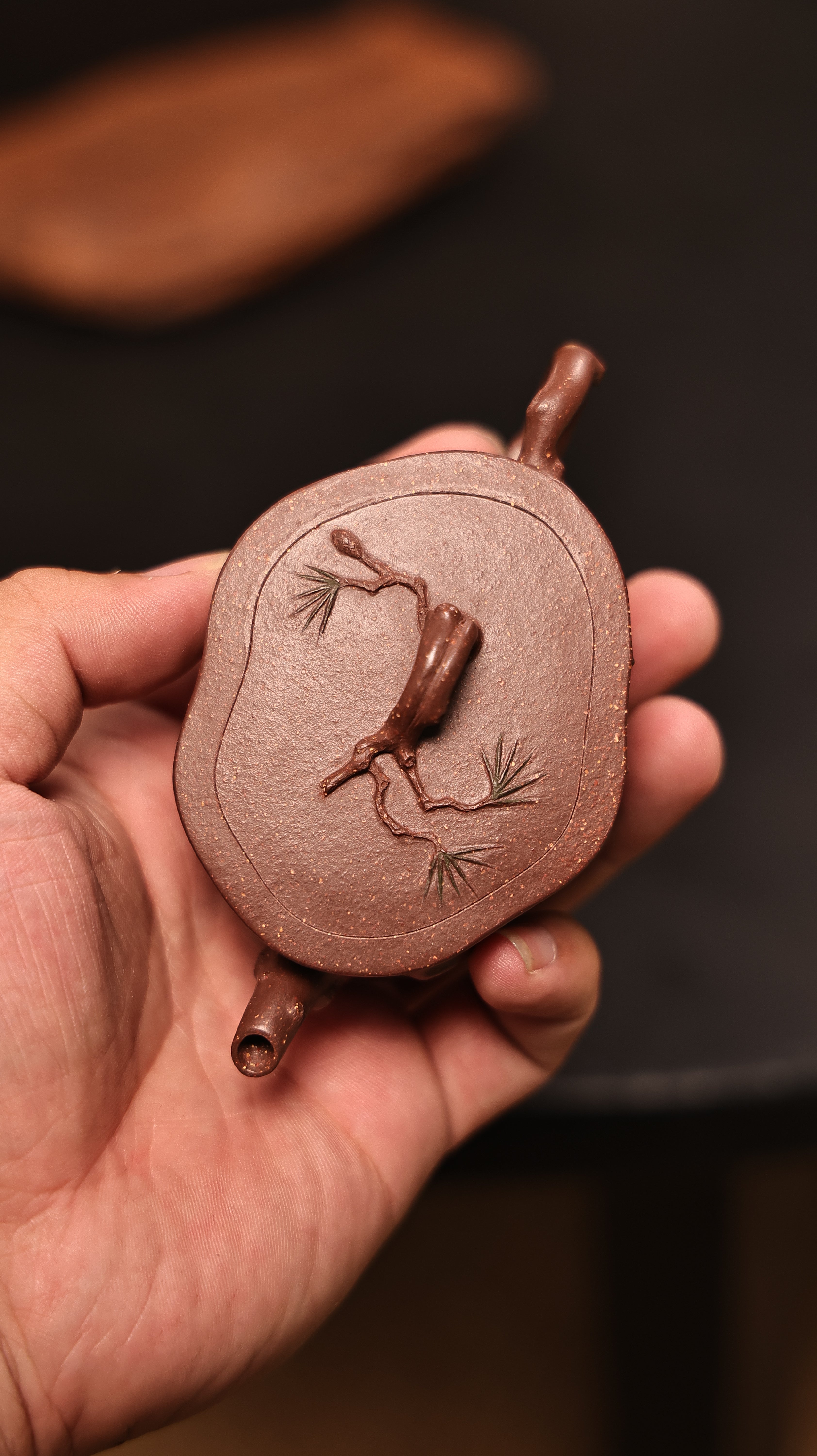
The assembly of a real Zisha teapot is a complex process, requiring extensive times of proficiency. Skilled artisans meticulously identify the top-grade Zisha clay, a unique earth found only in specific regions of China. Longstanding techniques, often transmitted through families, involve exact shaping, refined carving, and patient firing in ancient stoves. The finished teapot isn't merely a utensil; it's a testament to aesthetic vision and the weighty connection between the craftsman and their lineage. Each object showcases the special touch of the craftsman, resulting in a truly rare work of expression.
A Craftsmanship: Examining the Deep Practices of the Yixing Region
Esteemed Yixing, situated in Jiangsu the area, is widely renowned for its exceptional ceramics – a tangible representation of centuries of Chinese creative legacy. These aren't merely vessels for making tea; they are intricate Purple Clay Teapot works of creativity, often reflecting cultural ideals. That unique purple clay, known as Zisha, possesses uncommon qualities: it is dense, ventilated, and imparts a subtle flavor to the tea.
- Countless ancestries have honed the techniques of Yixing teapot making, passing down preserved methods through epochs.
- Collectors prize these pieces for their elegance and oddity.
- Particular vessel tells a legend, connecting the recipient to a rich past.
Engaging in Yixing Zisha: Vital Indicators
When looking into buying Yixing Zisha containers, several distinct factors warrant careful evaluation. Primarily, the substance's cast is essential; authentic Zisha typically exhibits a unique earthy tinge. What's more, investigate the execution; meticulous traits and a flawless layer manifest competent workmanship. Finally, research the maker’s history; celebrated names fetch greater values and often provide a better investment.
Brewing Excellence with Zisha Teapots
Steeping tasty tea with a Zisha pot is more exceeding a simple ritual; it's an art. Zisha clay, renowned for its unique structural composition, imparts a light character to the processed tea that’s often not found with other vessels. The correct water heat is key; typically, subdued than what's used for black tea, to conserve the tea's perfume and palate. Consider thoroughly the tea form; delicate green teas or aged pu-erhs prosper from the Zisha’s ability to ease their intrinsic edge. It’s important to purify the teapot preceding brewing, and to refrain from over-steeping. Mastering this practice leads to a truly exceptional tea instance.
- Learning Zisha Clay
- Thermal Condition of Water & Tea Type
- Essence of Tempering
Looking After Your Distinctive Clay Pot
Intending to maintain the existence of your treasured Yixing container, consistent protection is essentially necessary. Eschew using soapsuds; instead, gently purify it with lukewarm hydrous medium. Refrain from sudden fluctuations; don't deposit the clay pot directly onto a burning burner. Periodically, strengthen the vessel by processing it with premium specialty beverage, as this promotes to build its profile and defends the exclusive traits of the element.
Concerning Dirt to Container: The Development of a Yixing Utensil
A creation of a Zisha teapot is a exceptional approach, a symbol to both the planet's bounty and the expertise of the craftsman. It inaugurates with the thorough extraction of the unique clay from the magenta Zisha mines by Yixing. This unfired material, known for its extraordinary peculiarities, is then slowly washed and arranged for the initial forming. The jar’s figure is expertly made using a fusion of longstanding wheel throwing processes, often incorporating fancy figurings. Following curing, the vessel undergoes a decisive first firing, consecutively done by a glazing stage, which might involve several layers of earthy Zisha applications. Finally, a second, and sometimes third, firing at powerful temperatures realizes the piece, revealing its complete beauty and remarkable characteristics - a legitimate masterpiece, poised to decorate a tea custom.
{Yixing Teapots: A Symbol of Chinese Heritage and Esteem
Esteemed Yixing teapots, originating from the distinguished Yixing region of Jiangsu province, are far more than mere earthenware for brewing liquids; they represent a substantial aspect of Chinese identity. Manufactured from distinctive purple clay – zisha – these distinctive teapots are highly prized for their ability to enhance the flavor of the tea and, crucially, for their beauty. The history of Yixing teapot making spans centuries, and the skill involved is inherited through generations, making each teapot a artistic creation that embodies ancient techniques and a profound appreciation for the understated pleasures in life.