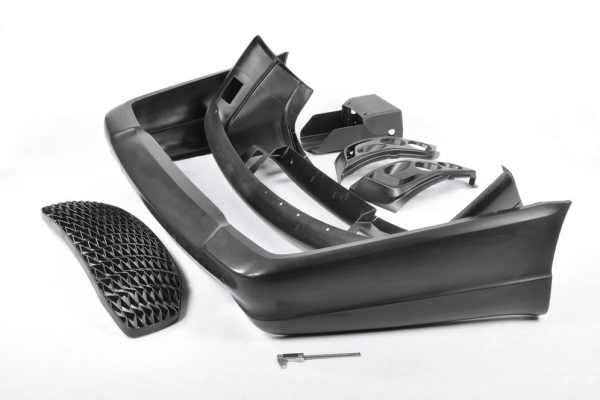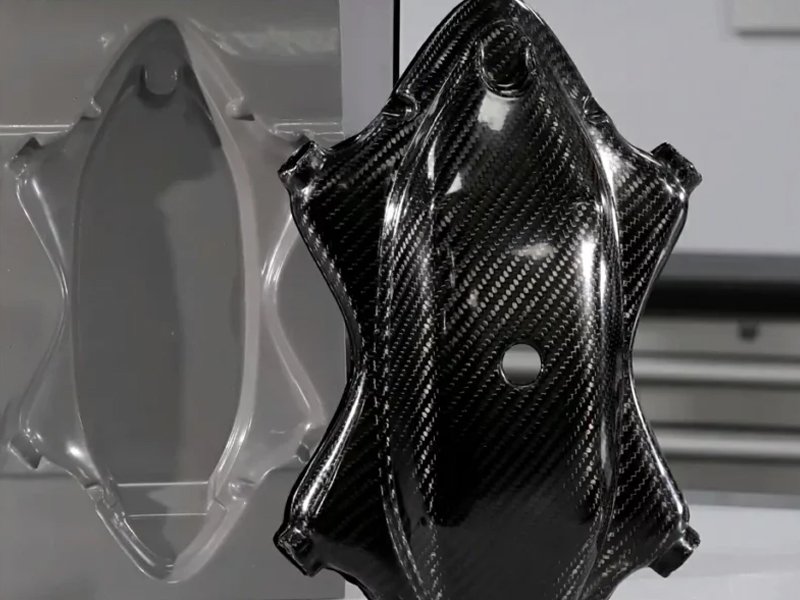
Commencing large-scale module creation brings uncommon obstacles for makers, calling for scrupulous inspection of multiple variables. These article probes the principal factors connected with manufacturing voluminous polymer articles, covering feed layout, component pick, thermal administration, and machine functions. Optimized bulky unit fabrication counts upon on thorough familiarity of these intricate standards and innovative processes.
Surmounting massive section injection problems
Adequately addressing extensive part casting systems presents distinctive issues. These commonly embrace addressing dimensional shift, dents, and upholding uniform element excellence. Careful evaluation of runner spot, escape, thermal management approaches, and substance opting are indispensable for procurement of optimal performance and limiting making spending. Moreover, strong die architecture and correct fabrication conditions are imperative for success.
Engineering Factors for Substantial Segment Material Fabrication
Productively forming weighty pieces via injection shaping compels careful creation components. Coating span becomes fundamental to regulate curvature and compression, often asking for phased variations and solid beams. Port spot plays a central function in providing consistent packing and suppressing fusion runs. Finally, template assembly itself must take into account heat dissipation performance and mechanical integrity due to the major tensions involved.
Boosting Thermal Networks amid Colossal Process
Proper cooling functions as indispensable for ensuring uniform article caliber as well as reducing workflow span in big piece casting. Insufficient coolant movement can give rise to shape alteration, concavity flaws, and embedded compression, while surplus coolant temperatures can produce splitting or size oscillations. Applying advanced chilling routes layouts, customized thermal liquid selection, and calculated positioning of fluid passages is mandatory to enhancing effectiveness and curtailing imperfections in this exacting production mechanism.
Injection Point Situating Tactics for Massive Molded Elements
Astute entry point installation is essential for securing high-quality results with bulky produced components. Elements such as feedstock path, tension drop, bubble manifestation, and sink trace curtailing must be carefully reviewed during the creation phase. Usually, countless admissions are necessary for detailed geometries to boost even distribution and curtail misalignment. Simulation programs can substantially enhance in evaluating the optimal entry point design before template development.Substance Picking for Substantial Processing Manufacturing
Diligent material choice is totally paramount for productive sizeable processing processing operations. Details such part shape, period needs, expense, and appearance qualities should be thoroughly considered. Often applied compounds feature polyprop, polyeth, thermoplastic copolymer, and multiple specialized polymers. Additionally, examining substance shrinkage numbers and associated ramification on magnitude large part injection molding fineness is crucial for obtaining desired segment ranges.
- Evaluate mobility attributes.
- Evaluate misalignment probability.
- Gauge effect on cast term.
Substantial Segment Injection: Systems & Solutions
A growing necessity for considerable parts in realms like astronautics, vehicles, and construction obliges customized mold processing apparatus and technology. Crucial device size is indispensable; electric installations commonly surpass powers of clutch force. Innovative monitoring devices, embracing computerized transportation and exact thermal-regulated oversight, are moreover necessary. Besides, new pattern designs and compounds must survive significant loads and protect shape validity.Diagnosing Prevalent Issues in Massive Piece Injection
Competently developing oversized units via molding often offers unusual challenges. Usual matters include warpage, indentation faults, and inconsistent dimensional tolerances. Addressing these typically involves rigorous study of the die blueprint, feedstock selection, and the molding variables. Insufficient heat intensity settings, inconsistent heat management, and lacking emission are common factors. Finally, calibrating force and access placement can greatly raise unit grade.
Our Future Regarding Considerable Segment Fabrication
Foreseeing ahead, the progression pertaining to large article injection molding promises significant changes. Greater automation, including machine platforms for operating massive elements, will curtail workforce costs and upgrade processing times. Additionally, the embracing involving advanced compounds, like high-tech thread composites and specialty plastics, will allow the manufacture of even more and complex articles through diverse branches. Finally, cybernetic clones and automated intelligence may play a essential role in optimizing matrix architecture and evaluating probable challenges.