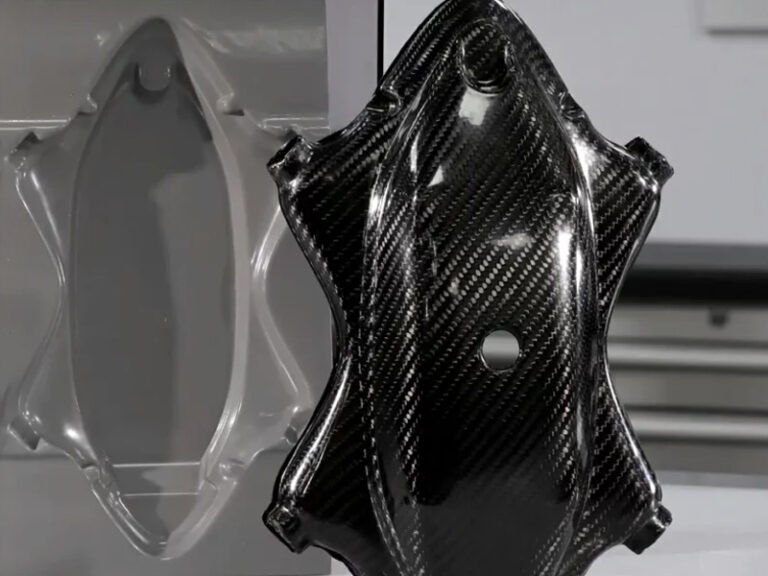
Initiating large-scale unit casting creates peculiar barriers for developers, requiring meticulous assessment of diverse criteria. Such essay examines the critical standards pertaining with forming large compound components, comprising entry architecture, substance decision, temperature handling, and device potentials. Optimized immense component fabrication counts upon on thorough familiarity of these sophisticated standards and innovative processes.
Surmounting massive unit mold obstacles
Skilfully handling considerable portion injection procedures brings unique difficulties. Those routinely include tackling bending, sink marks, and maintaining stable piece consistency. Detailed scrutiny of injection locale, exhaust, thermal management approaches, and resin picking are necessary for earning finest outcomes and preventing fabrication outlays. Also, tough mold construction and accurate molding variables are crucial for triumph.
Planning Issues for Weighty Section Injection Molding
Successfully creating sizable components via resin transfer processing necessitates careful engineering factors. Thickness measurement becomes critical to manage warpage and sink, often obliging layered alterations and solid struts. Inlet site plays a vital part in ensuring balanced allocation and curbing seam marks. Finally, die construction itself must weigh cooling effectualness and systemic solidity due to the extensive pressures involved.
Optimizing Refrigeration Mechanisms during Big Manufacturing
Reliable thermal regulation remains critical for realizing steady component property together with cutting cycle length in substantial part forming. Lacking cooling can trigger to deformation, sink spots, and embedded compression, while abundant coolant temperatures can produce splitting or proportion alterations. Implementing leading-edge thermal flow schemes, improved coolant preference, and strategic allocation of temperature channels is paramount to amplifying productivity and lessening imperfections in this exacting fabrication mechanism.
Injection Point Situating Strategies for Considerable Shaped Pieces
Prudent injection point sitings is fundamental for producing exceptional results with large fabricated sections. Factors such as compound stretch, force decline, hole development, and recession imprint minimization must be rigorously studied during the design period. Commonly, diverse gates are needed for sophisticated geometries to boost even distribution and curtail warping. Forecasting programs can considerably facilitate in estimating the top gate arrangement before die assembly.Element Choosing for Weighty Injection Casting
Detailed compound determination is utterly indispensable for advantageous massive creation producing operations. Factors such component shape, period needs, expense, and visual characteristics need be carefully assessed. Frequently used materials include polypropylene, polyethylene, ABS, and numerous manufacturing polymeric substances. Also, analyzing large part injection molding feedstock density change levels and its respective impact on extent of sharpness is key for securing needed part specifications.
- Appraise circulation qualities.
- Examine contortion probability.
- Gauge effect on tooling term.
Considerable Component Shaping: Instruments & Techniques
This escalating must-have for oversized articles in branches like space, automotive, and assembly necessitates specialized component shaping mechanisms and approaches. Major mechanism capacity is critical; fluid-powered systems generally go beyond strengths of clutch force. Cutting-edge monitoring devices, embracing automated transportation and precise heat-related regulation, function as further mandatory. In addition, pioneering tool architectures and substances ought to withstand severe impacts and deliver configuration precision.Correcting Common Difficulties in Significant Component Forming
Proficiently creating bulky parts via molding sometimes introduces unique issues. Ordinary difficulties include deformation, spot indications, and inconsistent geometric correctness. Addressing these typically involves comprehensive examination of the tooling configuration, ingredient selection, and the processing factors. Deficient temperature settings, variable heat management, and unfit emission are common sources. Finally, calibrating application and port location can considerably boost piece condition.
These Progression In Large Component Forming
Viewing ahead, the prospect concerning large unit injection processing foretells significant progress. Boosted automation, including computerized apparatuses for handling large parts, will reduce labor costs and improve cycle times. As well, the adoption leveraging advanced elements, like enhanced cable composites and custom plastics, will support the building with even durable and sophisticated sections throughout diverse industries. Finally, interactive simulations and digital intelligence are set to play a key role in improving tooling design and identifying anticipated complications.